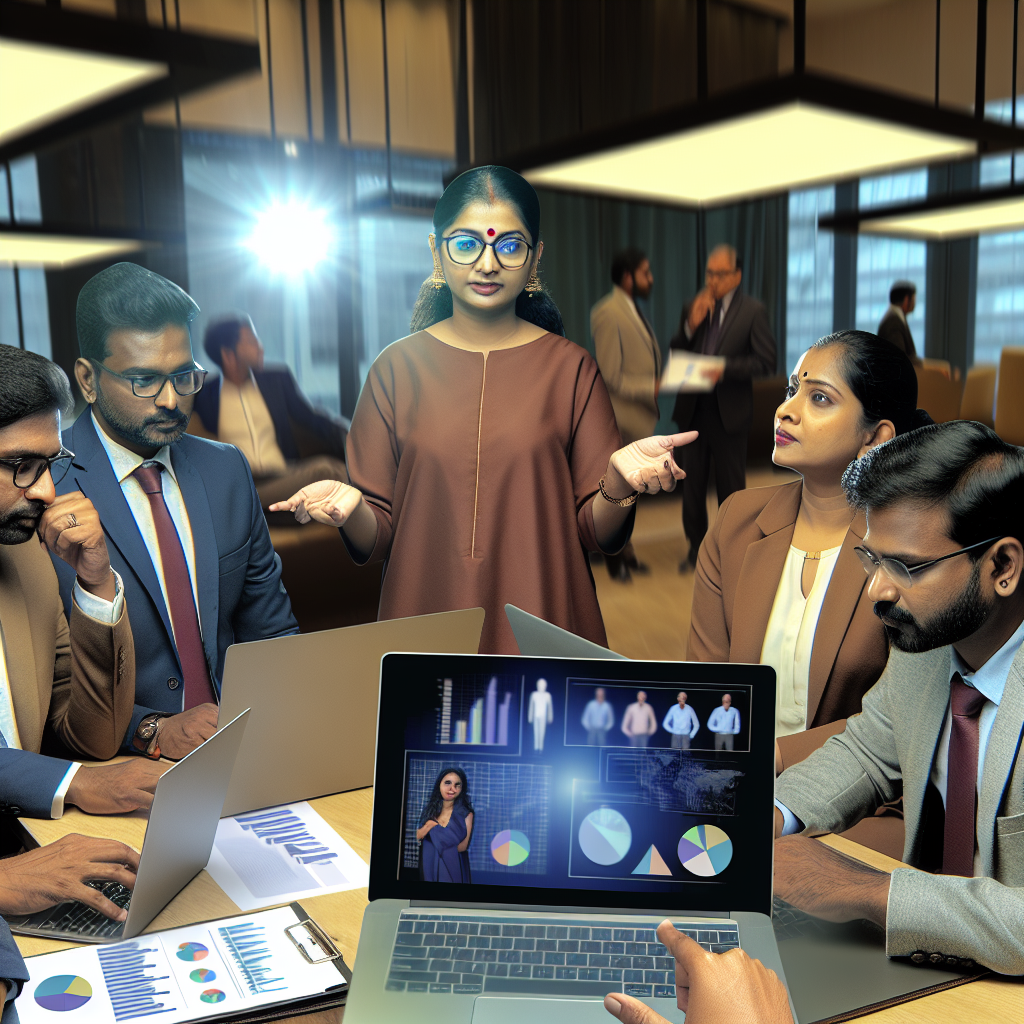
7 Essential Business Trends Indian SMEs Should Use to Grow in 2024
Introduction:
In 2024, small and medium enterprises (SMEs) in India face a rapidly evolving business environment shaped by technology, consumer behavior, and economic shifts. Understanding and applying current business trends is essential for sustained growth and competitive advantage. This blog highlights seven practical trends that Indian SMEs can adopt to improve operations, reach, and profitability.
## Trend 1: Digital Transformation and Automation
Digital tools and automation streamline operations, reduce costs, and improve customer experience.
- What it is: Using software and hardware solutions to automate routine tasks like inventory management, billing, and customer service.
- How to implement:
- Adopt affordable cloud-based accounting and inventory systems (e.g., Zoho Books, TallyPrime).
- Use chatbots or WhatsApp Business APIs for customer service.
- Automate marketing emails and social media posts using tools like Mailchimp or Buffer.
- Example: A local textile manufacturer automates order tracking and invoicing, reducing manual errors and saving time.
## Trend 2: Leveraging Social Commerce
Social commerce integrates e-commerce into social media platforms, enabling direct sales.
- What it is: Selling products directly through platforms like Instagram, Facebook, and WhatsApp.
- How to implement:
- Create a business profile on social platforms.
- Use shoppable posts and stories to showcase products.
- Enable payment options like UPI or digital wallets.
- Example: A handcrafted jewelry SME uses Instagram shops to reach younger urban customers and increase sales without a separate website.
## Trend 3: Sustainability and Ethical Business Practices
Consumers increasingly prefer brands with ethical and sustainable practices.
- What it is: Incorporating eco-friendly materials, reducing waste, and transparent sourcing.
- How to implement:
- Source raw materials locally to reduce carbon footprint.
- Use recyclable packaging.
- Communicate sustainability efforts clearly to customers.
- Example: A food processing SME switches to biodegradable packaging, attracting health-conscious buyers and gaining positive brand recognition.
## Trend 4: Data-Driven Decision Making
Using data analytics to guide business strategies improves efficiency and customer targeting.
- What it is: Collecting and analyzing sales, customer, and market data to make informed decisions.
- How to implement:
- Use basic analytics tools like Google Analytics and CRM software.
- Track customer preferences and purchase patterns.
- Adjust product offerings and marketing based on insights.
- Example: A regional apparel brand analyzes sales data to identify popular sizes and styles, optimizing inventory.
## Trend 5: Expanding via Omnichannel Presence
An omnichannel approach ensures customers can interact and buy through multiple channels seamlessly.
- What it is: Integrating offline stores, online marketplaces, and social platforms.
- How to implement:
- List products on popular Indian marketplaces like Flipkart and Amazon.
- Maintain consistent pricing and branding across channels.
- Use inventory management systems to sync stock.
- Example: A handicraft SME sells through a physical store, its own website, and Amazon, increasing reach and sales.
## Trend 6: Focus on Customer Experience and Personalization
Personalized interactions foster loyalty and repeat business.
- What it is: Tailoring marketing, product recommendations, and service to individual customer needs.
- How to implement:
- Collect customer feedback regularly.
- Use CRM tools to segment customers.
- Send personalized offers and messages via SMS or email.
- Example: A beauty products SME sends personalized skincare tips and discounts based on purchase history.
## Trend 7: Skill Development and Remote Workforce
Improving employee skills and adopting flexible work models enhance productivity.
- What it is: Training employees on new tools and allowing remote or hybrid work where possible.
- How to implement:
- Invest in online training platforms like Coursera or Udemy.
- Use collaboration tools like Google Workspace or Microsoft Teams.
- Set clear remote work policies and goals.
- Example: An IT services SME trains staff in emerging technologies and enables remote project management, improving service delivery.
Conclusion:
Indian SMEs can harness these trends by choosing two or three that align best with their business model and resources. Start by automating a manual process, set up a social commerce channel, or collect customer data for better insights. Taking these steps within the next 7 days will position your business for growth and resilience in 2024.
Ready to turn these ideas into real growth for your business?
WebMittra
helps you manage your online presence, publish content, and track results in one place.